
Be Well

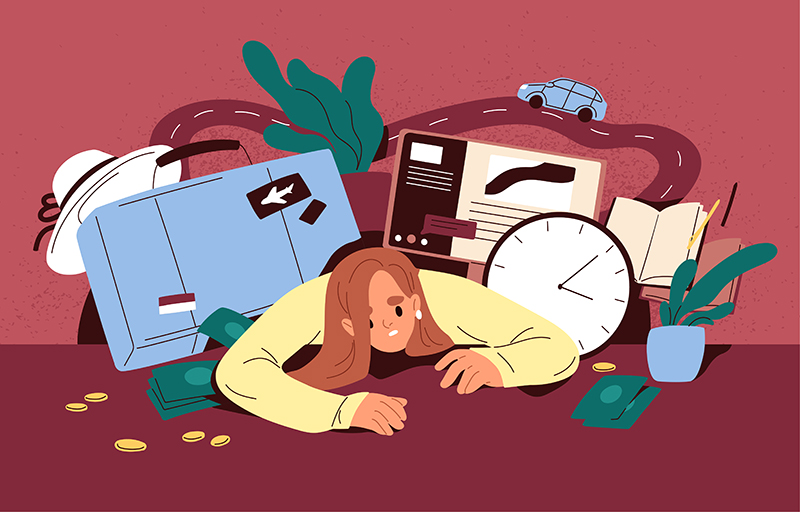
When Vacation Feels Like Work: Managing Travel Burnout


“The time to relax is when you don't have time for it.”
-Sydney J. Harris

Vacations are supposed to be relaxing. They offer an opportunity to escape daily routines, recharge mentally and physically and create lasting memories with family and friends. Yet many travelers return home feeling just as exhausted – or even more tired – than when they left. This phenomenon, often called travel burnout, occurs when the demands of planning, traveling and trying to maximize every moment outweigh the restorative benefits of taking time away.

Understanding what causes travel burnout and learning how to prevent it can help transform vacations from stressful obligations into truly refreshing experiences.

Why Vacations Become Exhausting

Modern travel often comes with high expectations. Travelers spend months researching destinations, booking accommodations, comparing restaurants and creating detailed itineraries. Social media adds another layer of pressure by showcasing picture perfect vacations that encourage people to squeeze every attraction into a limited amount of time.

Once the trip begins, the pace may become relentless. Early morning flights, navigating unfamiliar transportation systems, standing in long lines, changing hotels and spending entire days sightseeing leave little opportunity to rest. Families traveling with children may also face additional challenges, including disrupted sleep schedules, managing meals and keeping everyone entertained.

Business travelers can experience a different type of burnout. Although they may visit exciting cities, their schedules often revolve around meetings, conferences and networking events. Long workdays combined with jet lag and time away from family can make business travel particularly draining.

Signs of Travel Burnout

Travel burnout develops gradually and may not be immediately recognized. Common signs include:

  • Persistent fatigue despite getting adequate sleep
  • Feeling irritable or impatient
  • Difficulty enjoying activities that were previously exciting
  • Increased stress or anxiety
  • Decision fatigue from constantly choosing where to eat or what to do
  • Feeling disappointed that the vacation is not living up to expectations

Recognizing these symptoms early allows travelers to make adjustments before burnout overshadows the entire trip.

Plan Less, Enjoy More

One of the most effective ways to reduce travel stress is to avoid overscheduling. It is tempting to fill every hour with attractions, museums, restaurants and guided tours, especially when visiting a destination for the first time. However, leaving unscheduled time often leads to the most enjoyable experiences.

Instead of trying to visit every landmark, choose a few high-priority activities each day and allow the remaining time to unfold naturally. A leisurely walk through a neighborhood, an unexpected café or simply sitting in a local park can become the highlight of the trip.

Build Recovery Time into Your Schedule

Travel itself is physically demanding. Flights, time zone changes, long car rides and disrupted routines place stress on the body. Planning recovery periods can significantly improve energy levels.

Consider arriving a day before major activities begin, particularly after international travel. Schedule slower mornings after busy sightseeing days and avoid booking activities from sunrise until bedtime every day of the trip.

Even a short afternoon break at the hotel can restore energy and improve the remainder of the day.

Manage Expectations

Not every vacation will be perfect. Flights get delayed, the weather changes unexpectedly, restaurants disappoint and attractions become crowded.

Accepting that minor inconveniences are a normal part of travel helps reduce frustration. Flexibility allows travelers to adapt rather than become overwhelmed when plans change.

Instead of focusing on what went wrong, concentrate on the experiences that cannot be replicated at home, whether that means trying local cuisine, meeting new people or appreciating a beautiful landscape.

Practice Healthy Habits While Traveling

Many healthy routines disappear during vacations, but maintaining a few simple habits can make a significant difference.

Stay hydrated, particularly during flights and in warm climates. Aim for consistent sleep whenever possible, even if bedtime shifts slightly. Incorporate physical activity through walking, hiking or swimming rather than viewing exercise as another obligation.

Eating balanced meals most of the time also helps maintain steady energy levels. Although enjoying local specialties is part of the travel experience, excessive alcohol and heavy meals every day can contribute to fatigue.

Take a Vacation from Technology

Many travelers remain connected to work throughout their vacations by constantly checking emails, answering messages or participating in virtual meetings. Others spend much of the trip documenting every experience for social media.

Consider setting designated times to check messages rather than remaining continuously available. Likewise, take photos without feeling obligated to immediately post them online. Experiencing a destination firsthand is often far more rewarding than viewing it through a phone screen.

Give Yourself Time to Recover at Home

Returning home at midnight before reporting to work the next morning often eliminates the restorative benefits of a vacation. If possible, schedule one additional day at home before returning to regular responsibilities.

This recovery day allows time to unpack, do laundry, adjust to the local time zone, shop for groceries and mentally prepare for work. Starting back with a clear mind reduces the stress of post-vacation that many people experience.

The Bottom Line

A successful vacation is not measured by how many attractions are visited or how many photos are shared. Its true value lies in returning home feeling refreshed, energized and mentally renewed.

By slowing down the pace, maintaining realistic expectations, protecting time for rest and allowing room for spontaneity, travelers can reduce burnout and rediscover the original purpose of taking a vacation. Sometimes the most memorable travel experiences are not the ones that were carefully planned but the quiet moments that allowed the mind and body to truly relax.

Exception occured while executing the controller. Check error logs for details.


Exception occured while executing the controller. Check error logs for details.

Find More News

transfusion journal

Transfusion Journal

Transfusion is AABB’s scholarly, peer-reviewed monthly journal, publishing the latest on technological advances, clinical research and controversial issues related to transfusion medicine, blood banking, biotherapies and tissue transplantation. Access of Transfusion is free to all AABB members.

Learn More About Transfusion Journal

CellSource

AN UPDATE ON THE LATEST BIOTHERAPIES NEWS

Keep abreast of what's happening in the field of biotherapies with CellSource - AABB's monthly update on the latest biotherapies news.

Read and Subscribe Today

CONTACT US

To submit news about the blood and biotherapies field to AABB, please email news@aabb.org.

CONNECT WITH US

AABB News

President

Jose Cancelas, MD, PhD, CABP

Chief Executive Officer

Debra Ben Avram, FASAE, CAE

Chief Communications and Engagement Officer

Julia Zimmerman

Director of Marketing and Communications

Jay Lewis, MPH

Managing Editor

Kendra Y. Mims, MFA

Senior Communications Manager

Drew Case

AABB News

(ISSN 1523939X) is published monthly, except for the combined November/December issue for the members of AABB; 4550 Montgomery Avenue; Suite 700 North Tower; Bethesda, MD 20814.

AABB is an international, not-for-profit association representing individuals and institutions involved in transfusion medicine, cellular therapies and patient blood management. The association is committed to improving health by developing and delivering standards, accreditation and educational programs that focus on optimizing patient and donor care and safety.

+1.301.907.6977
Email: news@aabb.org
Website: www.aabb.org
Copyright 2025 by AABB.
Views and opinions expressed in AABB News are not necessarily endorsed by AABB unless expressly stated.

Notice to Copiers: Reproduction in whole or part is strictly prohibited unless written permission has been granted by the publisher. AABB members need not obtain prior permission if proper credit is given.


2025 APEX Awards for Publication Excellence