Advancing Therapies for Severe Malarial Anemia
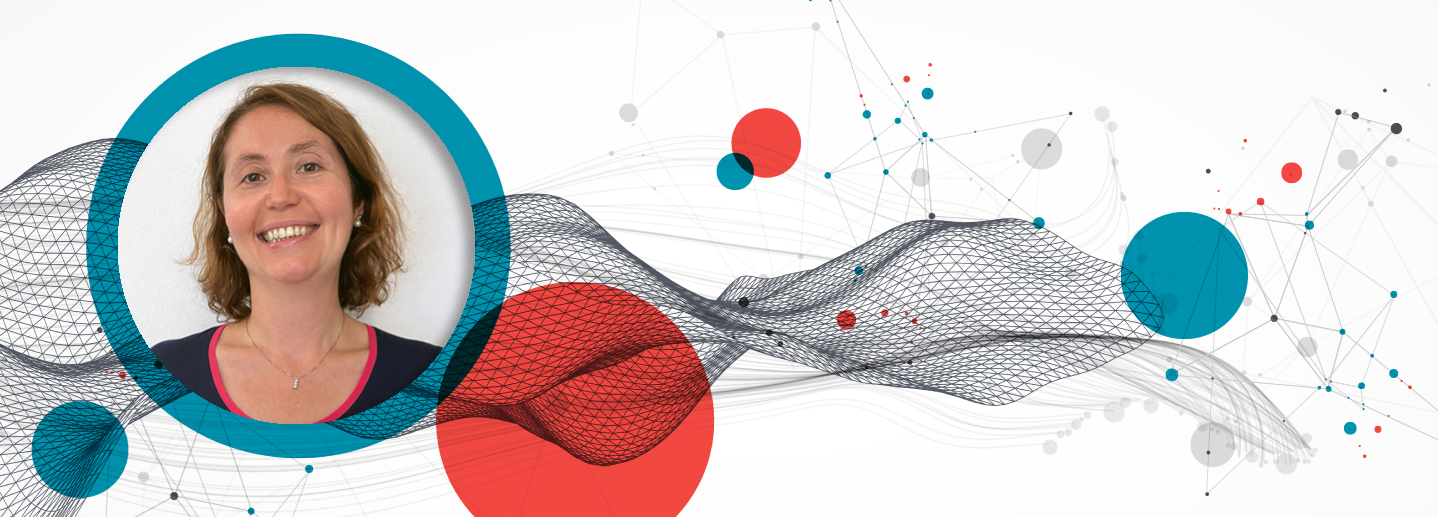
Antonella Nai, PhD, is a group leader in the regulation of iron metabolism unit within the division of genetics and cell biology at the San Raffaele Scientific Institute in Milan, Italy. Her research focuses on the connection between iron homeostasis and erythropoiesis, with the goal of identifying new therapeutic strategies for anemia and severe malarial anemia. Her work has contributed to the development of therapeutic strategies targeting transmembrane serine protease 6 (TMPRSS6) and transferrin receptor 2 (TFR2), advancing potential new treatments for anemia.
Nai was awarded an AABB Foundation Early-Career Scientific Research Grant in 2018 and was named an AABB Foundation Scientific Research Grant Scholar in 2021. Her project, “Targeting the second transferrin receptor for amelioration of severe malarial anemia,” explores the role of transferrin receptor 2 in regulating erythropoiesis.
Nai spoke with AABB News about the potential impact of her research and how it may shape future therapies for anemia in transfusion medicine and biotherapies.
Severe malarial anemia arises from a combination of processes, including parasite-induced hemolysis, accumulation of toxic heme byproducts and a host inflammatory response that suppresses erythropoiesis. Notably, even after parasite clearance, patients often exhibit a blunted response to erythropoietin (EPO), the key driver of red blood cell production, resulting in persistent anemia and increased mortality risk. This highlights a critical gap in current therapies, which primarily target the parasite but do not adequately address impaired erythropoietic recovery. Our approach stems from the idea that restoring the responsiveness of erythroid precursors to erythropoietin could significantly improve outcomes. In this context, we identified transferrin receptor 2 (TFR2) as a negative regulator of erythropoietin signaling and hypothesized that targeting TFR2 could enhance erythropoiesis and promote recovery from anemia.
Our preclinical studies show that selective inactivation of TFR2 in the erythroid compartment delays anemia onset following Plasmodium chabaudi infection, preserves more effective erythropoiesis, and significantly accelerates recovery. Importantly, we also observed a marked reduction in parasitemia in mice lacking hematopoietic TFR2. This suggests that TFR2 targeting may have a dual benefit: improving red blood cell production while simultaneously limiting parasite growth, likely by restricting availability of iron, a key nutrient for parasite replication. This “dual-action” strategy could represent a paradigm shift in treating severe malarial anemia. However, a major next step will be the development of suitable therapeutic tools to selectively target TFR2 in hematopoietic cells.
The Foundation’s support was instrumental in enabling me to pursue this high-risk, innovative idea and to generate the preliminary data necessary for larger funding applications.”
Although malaria is treatable, it remains a leading cause of morbidity and mortality, particularly in low-resource settings. Current frontline therapies, such as artemisinin-based combination treatments, are highly effective at clearing the parasite but do not address anemia directly, and the emergence of artemisinin resistance is an increasing concern. Our approach offers a complementary strategy: it may not only support erythropoietic recovery increasing EPO sensitivity, but also create a less favorable environment for parasite replication by reducing intracellular iron availability. This could reduce disease severity and potentially mitigate the risk of resistance, making it especially valuable in regions where treatment options are limited.
The Foundation’s support was instrumental in enabling me to pursue this high-risk, innovative idea and to generate the preliminary data necessary for larger funding applications. Without this early support, these initial findings would not have been possible. Importantly, the results obtained through the AABB Foundation awards program helped establish TFR2 targeting as a novel strategy to enhance erythropoiesis across different forms of anemia. This, in turn, allowed me to secure further funding aimed at identifying pharmacological tools to modulate TFR2 function in erythroid cells, an essential step toward translating our findings into clinical applications.
One of the most exciting next steps is to elucidate the mechanisms by which TFR2 deletion limits parasite growth and modulates iron availability. A deeper understanding of these processes could uncover entirely new therapeutic targets and strategies to prevent drug resistance. Additionally, the development and validation of anti-TFR2 compounds could have broad implications beyond malaria, potentially benefiting patients with other common forms of anemia, such as β-thalassemia, anemia of chronic kidney disease and anemia of inflammation.

Members and supporters of the blood and biotherapies community can register now to participate in the AABB Foundation’s virtual walk for World Blood Donor Day.
Each year, World Blood Donor Day is celebrated on June 14 to thank all those who make life-saving gifts of blood and raise awareness of the need for safe blood and blood products. The AABB Foundation invites members of the blood and biotherapies community to walk, run, roll or pedal a 1-mile or 5K distance anytime May 14 through June 14.
All proceeds will benefit the AABB Foundation’s efforts to fund scientific research that advances treatments and care for patients and donors around the world. Registration is available for both individuals and teams.
The AABB Foundation also encourages participants to share photos of their involvement in the virtual race on AABB’s Facebook, LinkedIn and Instagram. Photos can also be emailed directly to the AABB Foundation.

PREVIOUS STORY
From Blood Safety to Cell Therapy: Edgar Engleman, MDBACK TO ISSUE
May 2026
Transfusion is AABB’s scholarly, peer-reviewed monthly journal, publishing the latest on technological advances, clinical research and controversial issues related to transfusion medicine, blood banking, biotherapies and tissue transplantation. Access of Transfusion is free to all AABB members.
Learn More About Transfusion Journal
Keep abreast of what's happening in the field of biotherapies with CellSource - AABB's monthly update on the latest biotherapies news.

To submit news about the blood and biotherapies field to AABB, please email news@aabb.org.


President
Jose Cancelas, MD, PhD, CABP
Chief Executive Officer
Debra Ben Avram, FASAE, CAE
Chief Communications and Engagement Officer
Julia Zimmerman
Director of Marketing and Communications
Jay Lewis, MPH
Managing Editor
Kendra Y. Mims, MFA
Senior Communications Manager
Drew Case
AABB News
(ISSN 1523939X) is published monthly, except for the combined November/December issue for the members of AABB; 4550 Montgomery Avenue; Suite 700 North Tower; Bethesda, MD 20814.
AABB is an international, not-for-profit association representing individuals and institutions involved in transfusion medicine, cellular therapies and patient blood management. The association is committed to improving health by developing and delivering standards, accreditation and educational programs that focus on optimizing patient and donor care and safety.
+1.301.907.6977
Email: news@aabb.org
Website: www.aabb.org
Copyright 2025 by AABB.
Views and opinions expressed in AABB News are not necessarily endorsed by AABB unless expressly stated.
Notice to Copiers: Reproduction in whole or part is strictly prohibited unless written permission has been granted by the publisher. AABB members need not obtain prior permission if proper credit is given.

4550 Montgomery Avenue
Suite 700, North Tower
Bethesda, MD 20814
301.907.6977